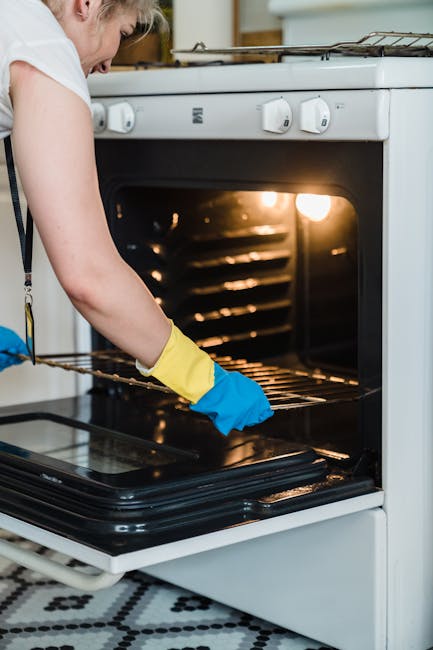
Oven cleaning SW1 Westminster near Victoria Station: a practical local guide for spotless results
If you live or work around Westminster and Victoria Station, oven cleaning can quietly slip down the to-do list until one day the smoke, smells, and baked-on grease make it impossible to ignore. That's usually when people start searching for Oven cleaning SW1 Westminster near Victoria Station, and fair enough too. A proper oven clean is not just about shine; it helps your kitchen feel fresher, cook more evenly, and stay easier to maintain.
This guide walks you through what professional oven cleaning involves, why it matters in a busy SW1 setting, how the process works, and what to look for before booking. You'll also find a clear checklist, a comparison table, and a few honest practical tips that can save you time and a bit of frustration. No fluff. Just useful detail.
Expert summary: In a central London area like Westminster near Victoria, oven cleaning is at its best when it is thorough, careful, and planned around real life - tenants moving out, busy households, short turnaround times, or kitchens that see daily use. The best results usually come from a methodical deep clean, sensible safety steps, and realistic expectations about what can and cannot be restored.
For readers comparing wider cleaning support, it can also help to look at related services such as deep cleaning, domestic cleaning, or even one-off cleaning if your home needs a broader reset rather than an oven-only visit.
Table of Contents
- Why Oven cleaning SW1 Westminster near Victoria Station Matters
- How Oven cleaning SW1 Westminster near Victoria Station Works
- Key Benefits and Practical Advantages
- Who This Is For and When It Makes Sense
- Step-by-Step Guidance
- Expert Tips for Better Results
- Common Mistakes to Avoid
- Tools, Resources and Recommendations
- Law, Compliance, Standards, or Best Practice
- Options, Methods, or Comparison Table
- Case Study or Real-World Example
- Practical Checklist
- Conclusion
- Frequently Asked Questions
Why Oven cleaning SW1 Westminster near Victoria Station Matters
Ovens get messy in a way that creeps up on you. One roast dinner, one casserole that bubbled over, one tray of chips gone a bit too far - and suddenly there's carbonised residue on the doors, grease on the fan, and a smell that turns up every time you preheat the oven. In a kitchen, that buildup is not just ugly. It can affect performance, hygiene, and the overall feel of the space.
In SW1 Westminster near Victoria Station, there's an extra layer to that. People here often live on tight schedules, move frequently, rent high-value flats, or run properties that need to look presentable without fuss. If you're a tenant, an oven that looks neglected can become a problem at the end of a tenancy. If you're a landlord or letting agent, an oven left in poor condition can delay handover. If you're a homeowner, it just becomes one of those jobs that hangs over you for weeks. Not ideal.
There's also a practical side. Grease and burnt-on food can influence airflow and create hotspots. You may notice smoke sooner, stronger odours, or uneven cooking. No one wants the first thing they smell at 7:30 in the morning to be last Sunday's lasagne. Let's face it, that's not the vibe.
Local cleaning needs are often shaped by apartment living, compact kitchens, and frequent use. In that kind of setting, oven cleaning becomes less of a luxury and more of a sensible maintenance task. It supports cleanliness, preserves the appliance, and makes day-to-day cooking nicer. Simple as that.
How Oven cleaning SW1 Westminster near Victoria Station Works
A proper oven clean is a methodical process, not a quick wipe with a spray. The aim is to remove grease, burnt-on carbon, food splatter, and residue from the main surfaces without damaging the appliance. A good cleaner works carefully around the interior, door, racks, fan area where accessible, seals, and removable parts.
In many cases, the process starts with disassembly of removable components such as racks, trays, and side panels where applicable. These parts are soaked or treated separately. The oven cavity is then cleaned with appropriate products and tools designed to break down grease while being safe for the appliance's surfaces. Some ovens need a little extra patience. Older grime can be stubborn. Very stubborn, actually.
Where relevant, the work may also include the hob area, extractor exterior, and the surrounding splash zone. That matters because the eye notices the whole cooking area, not just the oven cavity. A gleaming oven surrounded by greasy tiles still feels unfinished.
Professional oven cleaning is typically more precise than DIY cleaning because it relies on the right product choice, dwell time, and careful agitation rather than brute force. That means less risk of scratching enamel, damaging seals, or leaving cleaner residue behind. And yes, there is a big difference between "looks cleaner" and "cleaned properly."
If your kitchen needs more than a targeted oven service, a broader cleaning company approach may suit better. For households that want the rest of the home refreshed too, house cleaning or home cleaners can be a sensible next step.
Key Benefits and Practical Advantages
A deep oven clean delivers more than a nice before-and-after photo. The real value is in how the kitchen feels and functions after the work is done.
- Better hygiene: Removing grease and food residue helps reduce lingering odours and unsightly buildup.
- Improved appearance: A clean oven instantly makes the whole kitchen look better maintained.
- More efficient cooking: Less grime means fewer hotspots and less smoke during use.
- Easier upkeep: Once the heavy buildup is gone, regular cleaning becomes much simpler.
- Useful for moving day: A clean oven helps with end-of-tenancy expectations and final inspections.
- Less stress: You stop thinking about the job every time you open the door. That alone is worth something.
There's also a psychological benefit people often underestimate. A properly cleaned oven makes the kitchen feel reset. It signals that the home is under control, even if the week has been chaotic. In busy central London life, that matters more than people admit.
If your oven is part of a broader post-renovation or move-in clean, you may also want to explore after builders cleaning or end of tenancy cleaning, especially where the kitchen has taken the brunt of the mess.
Who This Is For and When It Makes Sense
Oven cleaning is not only for people with visibly filthy appliances. In practice, it suits a wide range of situations.
- Busy professionals: If you're commuting, working long hours, or simply not in the mood to scrub oven racks on a Thursday night.
- Tenants and landlords: A clean oven can support a smoother checkout or handover.
- Families: More cooking usually means more splatter, spills, and residue.
- Homeowners preparing for guests: Especially before a dinner party or family visit.
- Letting agents and property managers: Kitchens need to look decent quickly between occupancies.
- Anyone with an oven that smokes: That is often a sign the buildup has gone past the "maybe later" stage.
It makes sense to book a specialist clean when regular wiping no longer works, when the smell persists after cooking, or when you need the appliance to look presentable for a specific event. Truth be told, the best time is usually before the oven becomes embarrassing. But most of us are human and wait a bit too long. Happens.
If the rest of your property also needs attention, you may find domestic cleaning useful for routine upkeep, while one-off cleaning works better for catch-up jobs.
Step-by-Step Guidance
Here is a practical outline of what a well-organised oven clean usually looks like. The exact order may vary slightly, but the logic stays the same.
- Initial inspection: Check the oven type, level of grime, access, and any damaged seals or parts already in poor condition.
- Preparation: Turn off the appliance if needed, clear surrounding items, and protect nearby surfaces.
- Disassembly: Remove racks, trays, and other detachable parts where safe and appropriate.
- Soaking and treatment: Apply suitable products to loosen grease on parts that can be cleaned separately.
- Internal cleaning: Clean the cavity, door, seals, edges, and visible build-up from the oven interior.
- Detail work: Tackle corners, glass, knobs, and stubborn spots that tend to get missed.
- Rinse and finish: Remove residues, dry surfaces, and reassemble the appliance carefully.
- Final check: Make sure the oven is clean, safe to use, and visually consistent.
A good clean should leave the oven looking presentable without a lingering chemical smell. You should be able to open the door and think, "Ah, that's better," not "Why does it still smell like cleaning fluid?"
If you are booking around a larger property refresh, consider combining the task with carpet cleaning or window cleaning so the home feels genuinely finished, not just partly done.
Expert Tips for Better Results
A few small decisions make a big difference to the final result. Here are the ones that matter most.
- Don't wait for severe build-up: Light maintenance is easier than fighting a layer of baked-on grease.
- Check the oven type first: Different models, including fan ovens and range-style units, can need slightly different handling.
- Keep the surrounding area clear: It saves time and reduces the chance of accidental mess.
- Ask about residue removal: A clean-looking oven is not the same as a properly rinsed one.
- Look at the whole cooking zone: The hob, glass door, and handle area often reveal how thorough the clean has been.
- Pair it with other maintenance: If your kitchen is already in motion, a broader service can be more efficient.
One of the simplest tips? Open the oven door after cooking for a short while once it has cooled enough, rather than trapping heat and moisture inside. It won't solve grime on its own, obviously, but it helps the appliance stay fresher between deep cleans.
For homes with mixed surfaces nearby, hard floor cleaning can also help if grease and foot traffic have spread beyond the oven area. Kitchens have a way of doing that. A bit of this, a bit of that.
Common Mistakes to Avoid
Most oven-cleaning problems come from trying to rush, using the wrong product, or assuming every surface can take the same treatment. Here are the big ones.
- Using abrasive pads on delicate surfaces: These can scratch enamel or glass.
- Not removing loose debris first: That just turns dirt into sludge.
- Ignoring seals and edges: These are where grime quietly builds up.
- Forgetting to rinse properly: Leftover cleaner can cause odours or marks.
- Cleaning a warm oven without care: That can be uncomfortable and, in some cases, unsafe.
- Expecting every stain to vanish instantly: Some carbon build-up needs patience, not pressure.
A very common mistake is to judge the result only by the front glass. It might look fine from a distance, but the inside can still be grimy if the job was rushed. The same goes for the racks - shiny enough to fool you for about three seconds. Then you notice the bits stuck in the corners.
If the task feels too large to handle alongside the rest of life, there's no shame in choosing support from cleaners who are used to tackling detailed kitchen work.
Tools, Resources and Recommendations
You don't need a warehouse of equipment to clean an oven well, but you do need the right basics and a sensible approach. For most ovens, the key items are simple: protective gloves, cloths, non-abrasive sponges, grease-cutting cleaners suitable for ovens, and a container or tray for soaking removable parts.
For better results, use tools that help you reach corners without forcing anything. A soft brush can help with vents and edges. Microfibre cloths are useful for final wiping because they pick up residue well without being harsh. If the oven has awkward trim or built-up grime around handles, a patient detail clean matters more than a more aggressive chemical.
When deciding whether to book a specialist, ask yourself a few practical questions:
- Is the oven just a little dirty, or properly neglected?
- Do you need it done before a move-out, event, or inspection?
- Would cleaning it yourself take half a day and leave you annoyed?
- Are there signs of damage, old residue, or delicate parts that need care?
If the answer to two or more of those is yes, professional help starts looking pretty sensible. If you want to understand a company's wider standards, their insurance and safety approach and health and safety policy are worth reviewing. That's just good common sense.
Law, Compliance, Standards, or Best Practice
Oven cleaning is not usually a highly regulated specialist service in the way gas fitting or electrical work would be, but it still sits within sensible UK expectations around safety, care, and fair service. A reputable cleaning provider should use products appropriately, work carefully in occupied homes, and avoid damage to appliances or surrounding surfaces.
Good practice also means being clear about what is included, what condition the oven is in beforehand, and any limitations caused by wear, baked-on damage, or broken parts. That matters in residential settings, especially where move-in or move-out expectations are involved. You want a straightforward service, not a mysterious one.
For businesses and landlords, it can also be useful to check insurance, terms, and complaints handling. Those aren't glamorous topics, no. But they are part of trust. A provider that makes this information easy to find usually has nothing to hide. You can review related pages such as terms and conditions, payment and security, and complaints procedure before booking.
If sustainability matters to you, it is also reasonable to ask how waste, packaging, and cleaning products are managed. The topic of recycling and sustainability may not be the first thing people think of when booking oven cleaning, but it's part of a more responsible service culture.
Options, Methods, or Comparison Table
People usually choose between DIY cleaning, a targeted professional oven clean, or a broader deep clean. Each option has its place.
| Method | Best for | Strengths | Limitations |
|---|---|---|---|
| DIY oven cleaning | Light to moderate dirt | Cheap, immediate, flexible | Time-consuming, hard on stubborn grime, easy to miss detail |
| Professional oven cleaning | Heavy build-up, move-out cleans, busy households | More thorough, less effort for you, better detail work | Costs more than DIY and depends on booking availability |
| Broader deep clean | Kitchens needing a wider refresh | Covers more than the oven, better whole-room impact | May be more than you need if the oven is the only issue |
Here's the honest version: if your oven has only a light film of grease, DIY may be enough. If it has months of baked-on residue, smoked on start-up, and a tray you avoid looking at, a professional service is usually the better value. Not always cheaper in cash terms, but often cheaper in stress terms, which counts too.
For more intensive kitchen or property jobs, services such as oven cleaning and oven cleaner content can help you understand what to expect from the specialist side of the work.
Case Study or Real-World Example
Picture a typical SW1 flat near Victoria Station. The kitchen is compact, the oven gets used most evenings, and the tenant is preparing for an inventory check before moving out. At first glance the oven "doesn't look that bad." Then the door opens. The glass has a dull film, the shelves are coated, and there's a heavy smell after preheating.
In a situation like that, a focused professional clean usually makes more sense than trying to tackle it after work with a packet of wipes and a vague sense of optimism. A proper clean can restore the appearance, reduce odours, and make the handover less stressful. The kitchen doesn't need to look brand new, but it does need to look properly cared for.
That sort of result is especially helpful when the rest of the property is already in motion - boxes everywhere, cleaners in and out, maybe a locksmith booked, maybe not. One less thing to worry about. And honestly, that relief can be worth just as much as the visual improvement.
Practical Checklist
Use this checklist before arranging oven cleaning in Westminster near Victoria Station:
- Confirm the oven type and whether it has removable racks, trays, or panels.
- Check whether the appliance is working normally or showing faults.
- Clear nearby surfaces, items, and fragile kitchen accessories.
- Decide whether you need oven-only cleaning or a wider kitchen refresh.
- Ask what is included in the service and how detail work is handled.
- Review safety, insurance, and service terms if you are booking for a rental or commercial property.
- Make sure the timing works around cooking, moving, or property handover plans.
- Inspect the result once the work is complete, including the door edges and racks.
Quick take: if the oven is central to how clean the whole kitchen feels, don't treat it as a minor task. It's often one of the most visible and most relied-upon parts of the home.
Conclusion
Oven cleaning SW1 Westminster near Victoria Station is one of those services that sounds straightforward, but the real value shows up in everyday life. The kitchen smells fresher. Cooking feels easier. Move-outs become less stressful. The whole room just looks more looked-after.
If you're deciding whether to book, ask yourself a simple question: do I want to keep putting this off, or do I want it done properly and move on? Sometimes that's all the answer you need. A clean oven is one of those quiet wins that makes a home feel calmer, and in central London, calmer is never a bad thing.
Get a free quote today and see how much you can save.
And if you'd like to learn more about the people behind the service before making a choice, you can also read about us for a better sense of how the service is approached.
Frequently Asked Questions
How often should an oven be professionally cleaned?
It depends on how often you cook, but many people find a professional clean useful every so often when regular wiping stops being enough. Heavy use, roasting, and baking usually mean buildup appears faster than expected.
Is professional oven cleaning worth it in SW1 Westminster near Victoria Station?
For many households, yes. In busy central London homes, time is often the main issue, and a specialist clean can save several hours while delivering a more thorough result than a quick DIY attempt.
Can oven cleaning remove burnt-on grease and carbon?
It can remove a lot of it, yes, though the final result depends on how severe the buildup is and whether the oven has been maintained over time. Very old staining may improve greatly without disappearing completely.
Will oven cleaning leave a strong chemical smell?
A proper clean should not leave a harsh lingering smell. Good rinsing and finishing matter here. If you can smell cleaner strongly after the work, that is usually a sign more wiping is needed.
Do I need to prepare anything before the cleaner arrives?
Usually just clear the area around the oven, make sure the appliance is accessible, and remove items from nearby cupboards or counters if they might get in the way. A little prep helps more than people expect.
Is oven cleaning safe for self-cleaning or modern ovens?
Most modern ovens can be cleaned safely when the right method is used, but the cleaner should always take the model and finish into account. That is why careful inspection matters at the start.
How long does a typical oven clean take?
It varies with the amount of dirt and the oven type. A lightly used oven will usually take less time than one with heavy carbon build-up, multiple racks, or awkward design features. It's rarely a five-minute job, though.
Can oven cleaning help if my oven smokes when I use it?
Often, yes. Smoke is commonly linked to grease or residue burning off during heating. If the smoking continues after a thorough clean, the oven may need a separate appliance check.
Is oven cleaning included in wider house cleaning services?
Sometimes it can be part of a broader service plan, but it is often treated as a specialist task because it needs different tools, products, and more detailed attention. It is worth checking before booking.
What should I look for in a good oven cleaning service?
Look for clear service details, sensible safety standards, insurance information, and a careful approach to detail areas like glass, seals, and racks. A good service should feel organised, not rushed.
Is oven cleaning useful for end-of-tenancy situations?
Very much so. A clean oven can make a strong difference in a final inspection because it is one of the easiest places for hidden grime to be noticed. Tenants often leave this job too late, then wish they hadn't.
Can oven cleaning be combined with other services?
Yes, and that often makes practical sense. Many people combine it with related services such as house cleaning, sofa cleaning, or upholstery cleaning when refreshing a whole home.